
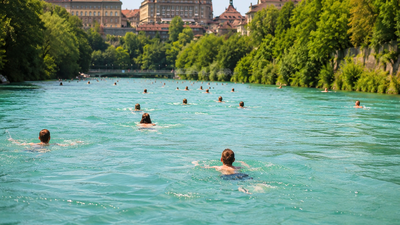
On hot summer afternoons in the Swiss capital of Bern, an unusual scene unfolds along the turquoise waters of the Aare River. Office workers, students and locals gather by the riverbanks carrying waterproof dry bags instead of briefcases before slipping into the fast-moving current and floating downstream past bridges, historic buildings and riverside parks. Viral social media posts often describe it as a “river commute”. While some residents do occasionally use the river to travel home during summer, the practice is better understood as a popular recreational tradition rather than an everyday mode of transportation. For most people in Bern, floating along the Aare is simply a cherished way to cool off during warm weather.
Switzerland’s coolest summer commute flows through a river
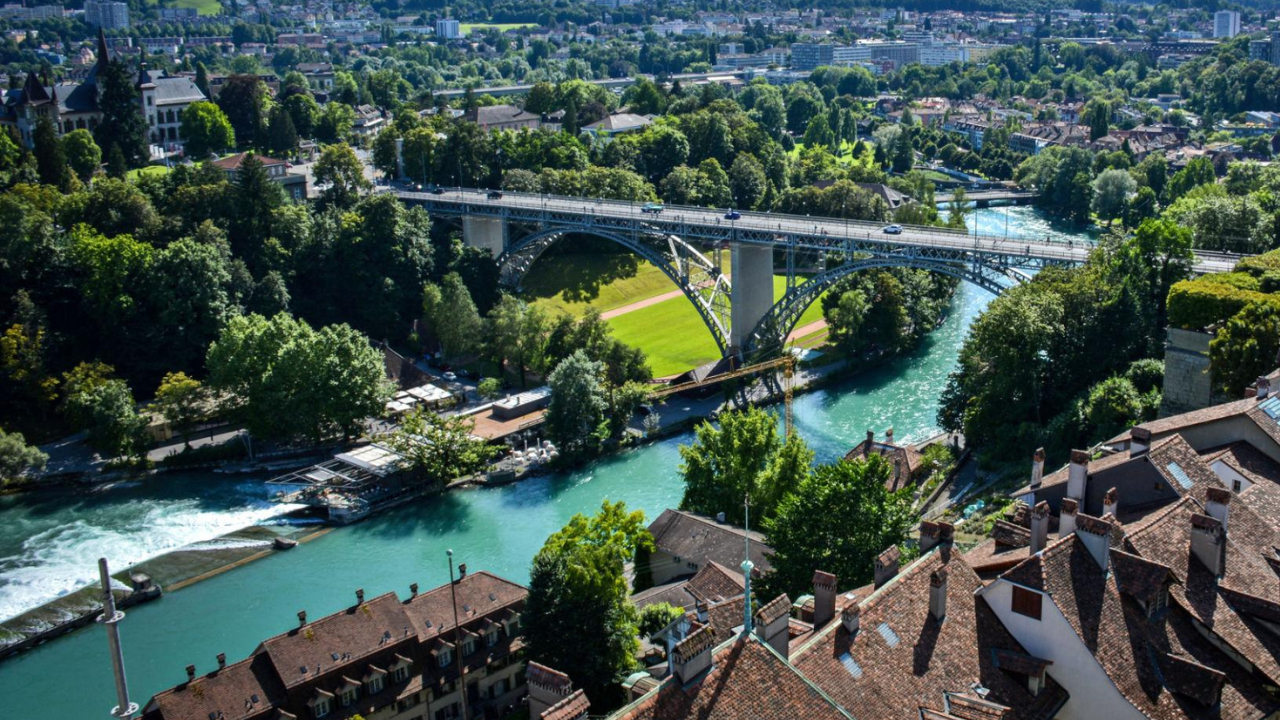
The Aare River loops around Bern’s old town, creating one of the city’s most iconic landscapes. During summer, the clean glacial water becomes a natural escape from the heat.Locals often enter the river upstream and allow the current to carry them through parts of the city before exiting at designated swimming points. Many use brightly coloured waterproof “Aare bags” to keep clothes, phones, and valuables dry while floating.The activity has become deeply tied to Bern’s summer culture and attracts both residents and tourists every year.Social media videos frequently show crowds floating through the river after work, giving rise to the idea of a “river commute”. While swimming home is not a formal or widespread mode of transportation, some Bern residents do use the Aare as part of their journey home during hot summer evenings.For many locals, the experience blends practicality with recreation. Because several neighbourhoods are closely connected to the riverbanks, floating through the Aare can serve as both a relaxing swim and an unconventional way to travel across parts of the city.
The river’s powerful current
One reason the Aare is ideal for floating is its strong and consistent current. Swimmers can drift long distances without much effort, especially along the popular route between Eichholz and Marzili in Bern.The river’s striking turquoise colour comes from mineral-rich glacial meltwater flowing down from the Swiss Alps. Even during summer, however, the water often remains surprisingly cold.Authorities regularly warn visitors that the Aare is not a casual swimming pool. The current can be dangerous, especially for inexperienced swimmers, and knowing safe entry and exit points is essential.
A tradition rooted in clean water
River swimming in Switzerland became far more popular after major environmental reforms improved water quality during the second half of the 20th century.Decades ago, pollution made swimming unsafe in many urban rivers across Europe. Switzerland invested heavily in wastewater treatment and environmental protection, helping rivers like the Aare become clean enough for recreational swimming.Today, swimming in rivers and lakes is a common part of Swiss summer life, especially in cities such as Bern, Basel, and Zurich.
The famous Aare bags
One of the most recognisable symbols of Bern’s river culture is the waterproof Aare bag. These brightly coloured floating dry bags allow swimmers to carry clothes, wallets, shoes, and even laptops while drifting through the river.The bags also act as flotation devices, making them both practical and iconic among locals.Tourists visiting Bern during summer often buy Aare bags specifically to experience the floating tradition for themselves.
A summer ritual that became internet-famous
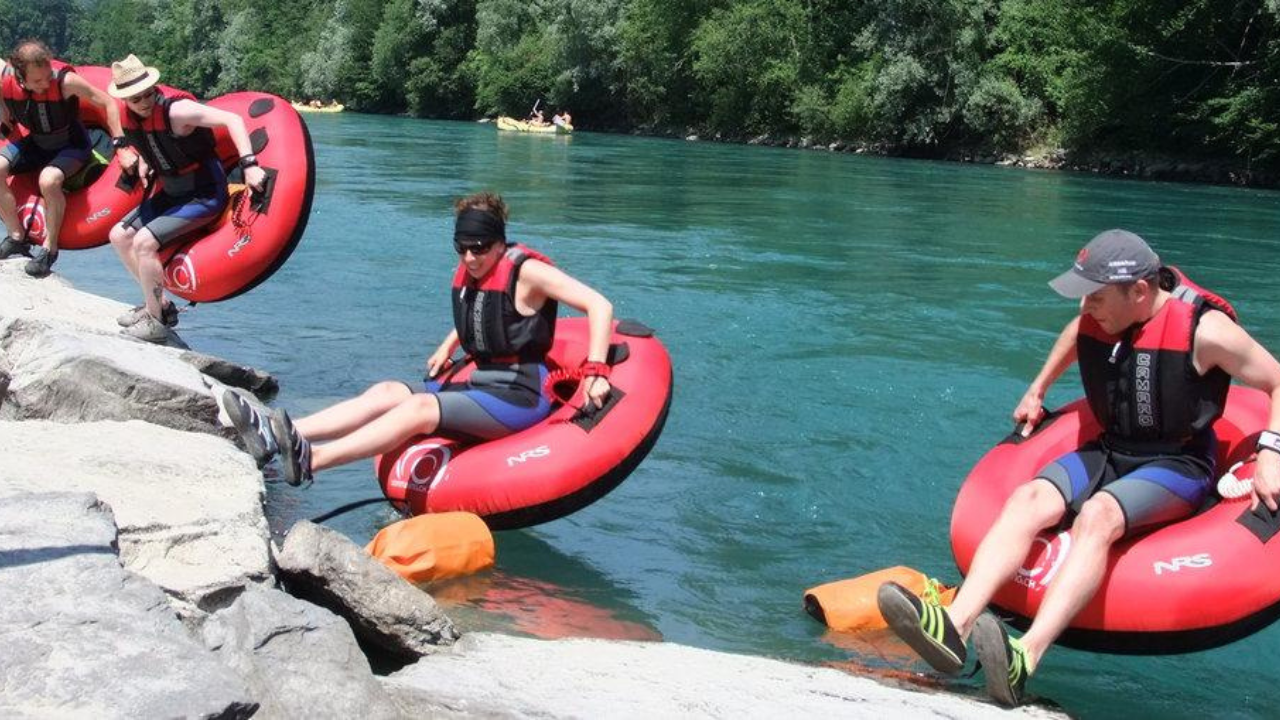
Videos of hundreds of people floating through Bern’s turquoise river have recently gone viral online, with many viewers amazed that an urban river could function as part recreation area and part unofficial travel route.Floating through the Aare has become one of Bern’s most distinctive summer traditions. On warm days, locals and visitors alike drift through the turquoise river as it winds past the Swiss capital’s historic streets and bridges. For some residents, the river even becomes part of the journey home from work, turning an ordinary commute into a uniquely Swiss summer experience.
