



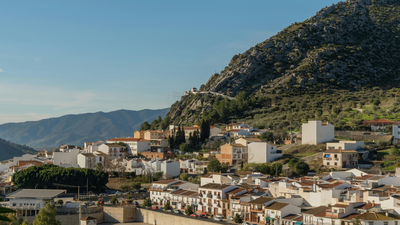
Tucked away in the rolling hills of Cuenca in central Spain, Olmeda de la Cuesta is quietly trying to bring life back to its fading streets. The small rural village, known for its stone houses, peaceful landscapes and slow pace of life, is offering cheap land through public auctions in a bid to attract new residents, remote workers and young families. With fewer than 30 permanent residents remaining in its historic centre, the village hopes affordable plots, low living costs and a tranquil countryside lifestyle will help reverse rural depopulation. For many people dreaming of escaping crowded cities, Olmeda de la Cuesta may offer a rare second chance.
Rural Spain’s fight against depopulation: Olmeda de la Cuesta
Across Spain, many rural communities are struggling to survive as younger generations move to larger cities for work and education. Olmeda de la Cuesta, located around two hours from Madrid in the province of Cuenca, has become one of the clearest examples of this growing challenge.According to the village council, the town has seen its population steadily decline for decades. Local mayor José Luis Regacho openly admitted the aim behind the land auctions is simple: “We want to attract people so that the village doesn’t disappear.” The municipality has auctioned building plots with starting prices ranging from around €200 to €1,300. Buyers are required to build a home or business within two and a half years. Some plots even include natural caves that can be converted into wine cellars, adding to the area’s rustic charm. Spain’s Official State Gazette also listed additional rural land auctions in early 2026, with some plots starting from just over €100.
What life is really like in Olmeda de la Cuesta
The rhythm of life in Olmeda de la Cuesta is worlds apart from that of the bustling metropolis. It consists of silent streets, dried-up hills, woods, and old stone buildings. Traffic is virtually non-existent in the village; there is no noise, and the community spirit remains strong among its residents.Nevertheless, local authorities do not wish to create a romanticised picture of life in the village. According to Mayor Regacho, “I am not fooling anyone. I cannot offer employment to someone who decides to relocate here.”Basic facilities are scarce in the village. It’s only school has been closed down many years ago due to a small number of children attending it. There is only one café and a weekly visit by a doctor, as well as work related to agriculture, tourism, building, handicrafts, or self-employment.On the other hand, solitude, as well as a quiet life, attracts many remote workers, writers, and artists to this village.
Why cheap land in Spain is attracting global attention
The rise of affordable housing needs amid the growing cost of living in Europe has led to the increasing popularity of stories like that of Olmeda de la Cuesta. Rural areas in Spain have started becoming increasingly attractive as places where people can get relatively cheap land, flexible work arrangements from home and a slow pace of life.Experts in the real estate market say that there have been other villages in Spain that have implemented such initiatives over the last few years in order to curb depopulation. Such villages had been providing cheaper accommodation, financial assistance or subsidised rent facilities to attract new settlers.What makes Olmeda de la Cuesta unique in comparison with other villages is that the village does not seek to attract new settlers through costly projects or by promoting tourism. Olmeda de la Cuesta has simply decided to give away plots of land that cost as much as many people pay in terms of their monthly rent in cities.
Can moving to this village in Spain really work
Moving to a far-off village is not for everybody. Financial stability, personal adaptability, and practical expectations are vital. But for some individuals, particularly remote workers and entrepreneurs, there can be a real chance to create a peaceful, cheaper life amid the greenery in places like Olmeda de la Cuesta.The Spanish countryside is facing the ongoing problem of population decline; therefore, even its smallest villages have started using different strategies to overcome their plight. Whether these measures prove effective is another question, yet what Olmeda de la Cuesta has managed to do is make us recall that amid the mountains and silence lies an alternative way of life.